Grabs in bulk handling: how the right grab defines crane performance
In bulk handling operations, performance is not defined by the crane alone. The grab plays a decisive role in cycle time, penetration efficiency, material retention and overall operational reliability. From vessel discharge to yard and stockpile handling, the correct grab configuration directly impacts productivity and maintenance costs.
In this article, we explain how grabs are used within port and bulk handling environments, which configurations are most common, and how Portneeds helps terminals and suppliers make the right equipment visible within a dedicated port-focused marketplace.
The grab as a critical component in bulk handling
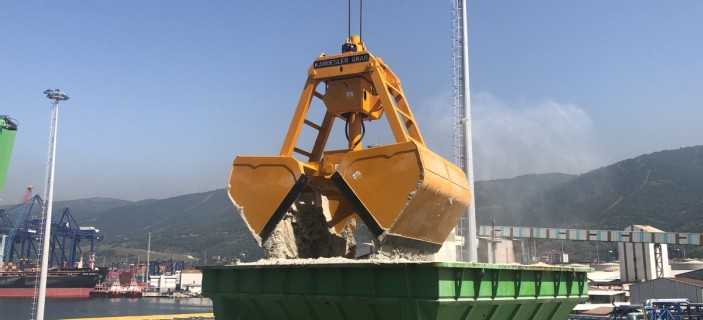
In any bulk operation, the grab is the physical interface between the crane and the material. Shell geometry, closing force, sealing, tare weight and hydraulic behaviour determine how efficiently material is captured and retained during each cycle.
For materials such as sand, coal, grain, biomass, scrap or iron ore, an unsuitable grab often leads to longer cycles, increased wear or unnecessary material loss — all of which affect operational efficiency.
Common grab types used in ports and terminals
Within ports and industrial bulk handling, several grab configurations are commonly applied:
- Hydraulic grabs for controlled and precise cycle work
- Electro-hydraulic (motorised) grabs for cranes with electrical supply
- Mechanical rope grabs for multi-drum crane setups
- Diesel-hydraulic grabs for stand-alone operation
- Radio remote control grabs for single-hook cranes and mobile harbour cranes
The correct choice depends on crane type, available power supply, material characteristics and operational intensity.
What engineers consider when selecting a grab
Technical teams do not select grabs based on capacity alone. In practice, selection criteria often include:
- compatibility with crane and hoisting system
- wear parts and maintenance access
- sealing and leakage control
- stability during high-cycle operations
- suitability for changing material flows
This is why context matters when evaluating equipment — not just specifications, but how and where the grab is actually used.
Finding or listing grabs on Portneeds
Portneeds is built specifically for port equipment. Grabs are not treated as generic attachments, but positioned within a port and bulk handling context.
Terminals and engineers can compare available grabs based on crane type and application. Suppliers and service companies gain international visibility towards a highly relevant audience within the port sector.
View available grab listings here, or consult the FAQ for additional technical background here.